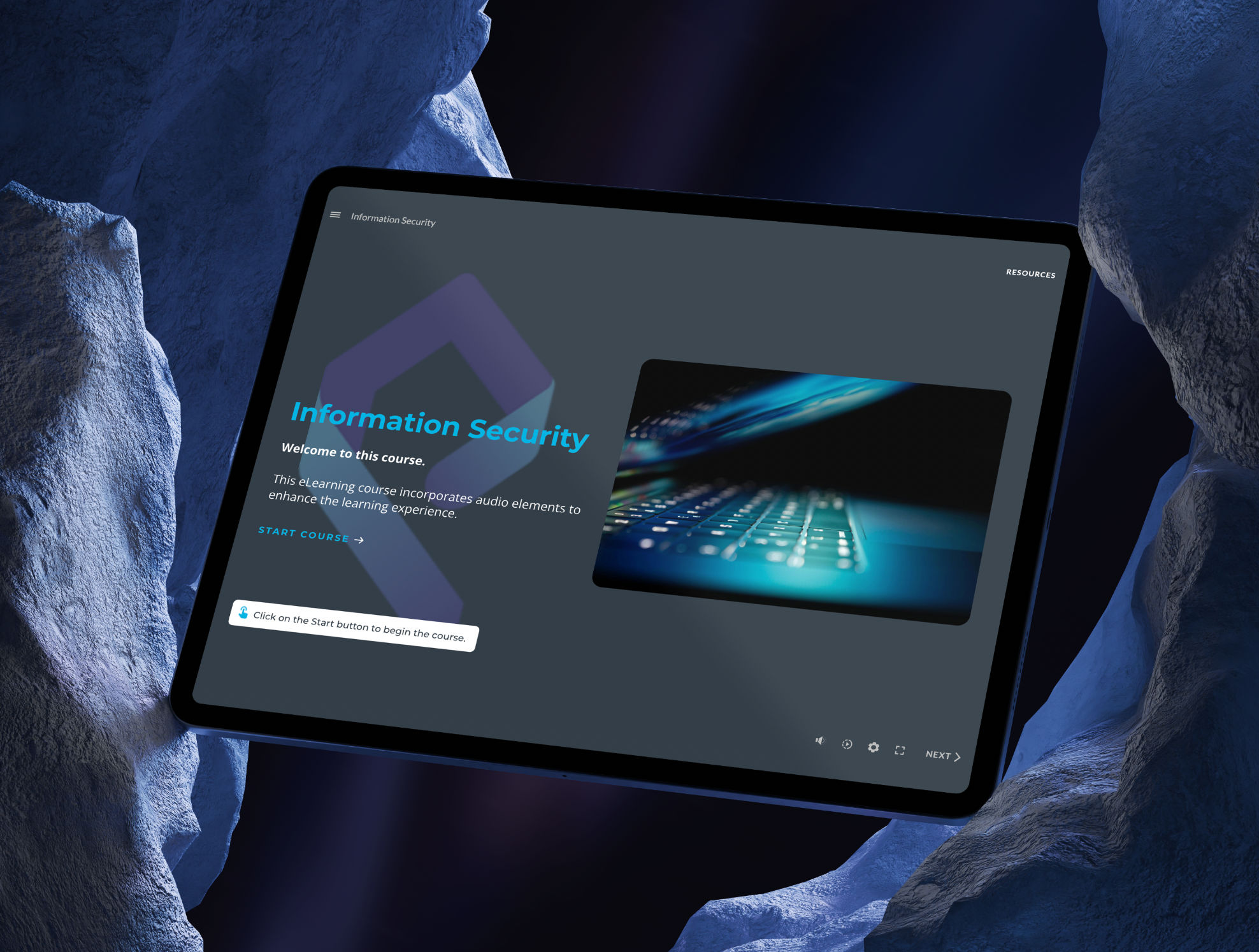
INFORMATION SECURITY
A gamified security training pathway built around real threats, including an actual phishing email, a live vishing call, and an interview with someone it happened to.
THE PROJECT
Places for People's existing information security training was losing learners before they finished. The interface was the problem, but the approach was too. Abstract compliance content about theoretical threats does not change behaviour. The rebuild started from a different question: what if the training felt like the real thing?
SCOPE
- End-to-end redesign including market research and full stakeholder collaboration
- Gamified pathway with points, badges, leaderboard, and an Information Security Passport on completion
- Real-world threat simulations, including actual phishing emails and vishing call scenarios embedded in the course
- Multimodal throughout: every audio element is transcribed, making every screen readable without sound
- Internal interview with a real phishing victim as the course finale
- Internal photo shoots for custom imagery
- Extensive UAT before launch
BUILT WITH
The Right Tool for the Job
Storyline for the interactions and the immersion. Real-world assets and multimodal design for the reach.
Gamification and real-threat immersion
This course needed to do something most compliance training does not: it makes the threat feel real before it happens to you. Storyline gave us the control to build experiences that went far beyond a knowledge check.
- Gamified pathway with points, badges, and a leaderboard running throughout
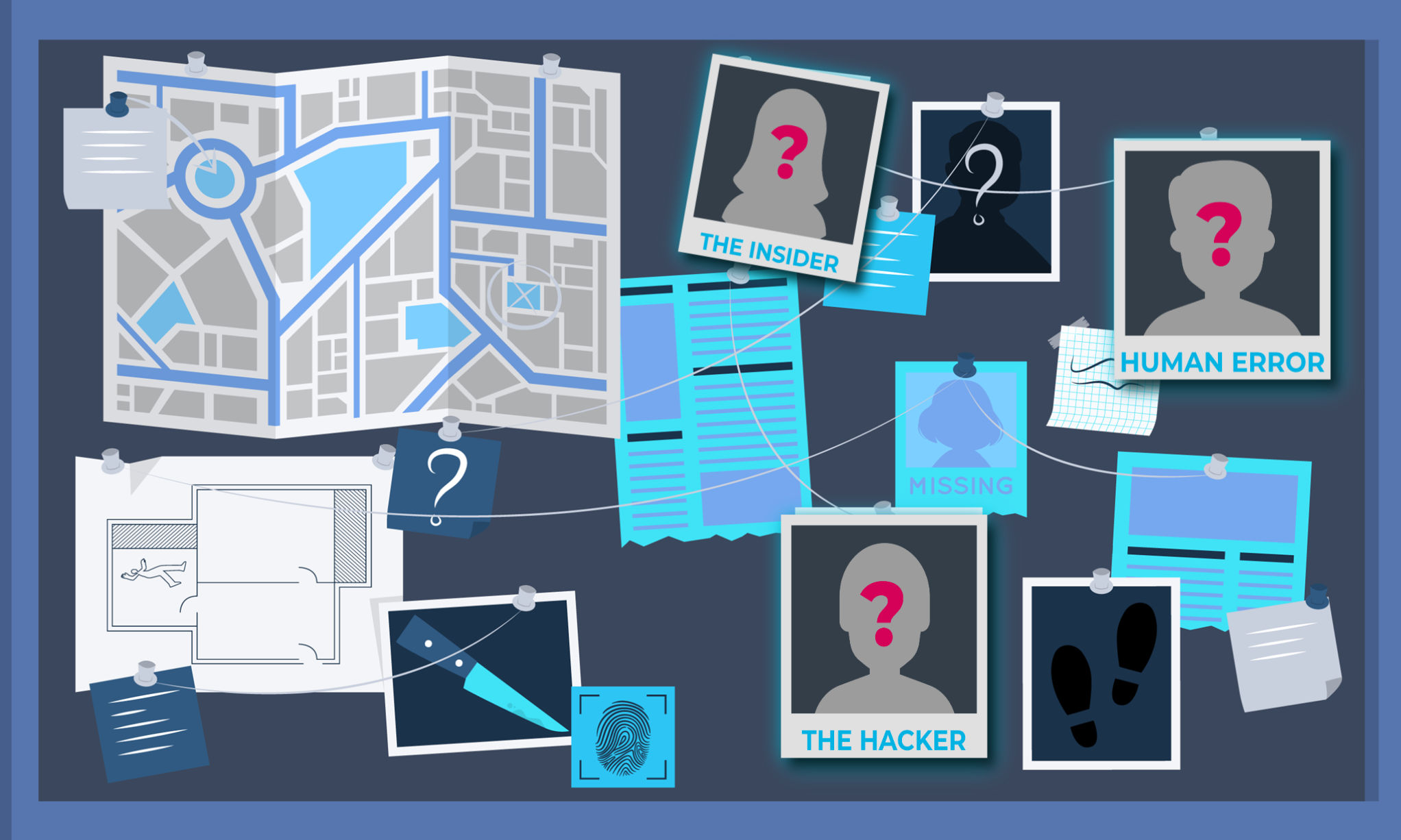
- Learners receive and respond to a real phishing email embedded directly in the course
- A vishing call scenario plays out in real time — learners have to spot it and act
- Branching decisions with real consequences, not just correct and incorrect feedback screens
- Information Security Passport awarded on completion — a tangible, earnable outcome
- Clean, intuitive UI designed specifically to replace the navigation failures of the previous course
Built for every learner, not just the ones who learn like you
A multimodal approach was not an afterthought; it was a design principle. Every audio element is transcribed, every interaction works without sound, and the course closes with something no amount of animation can replicate.
- ElevenLabs voiceover throughout — professionally directed, consistent across all modules
- Full audio transcription for every spoken element — accessible to all learners regardless of environment or need
- Adobe Illustrator and Photoshop for custom visual assets and scenario graphics
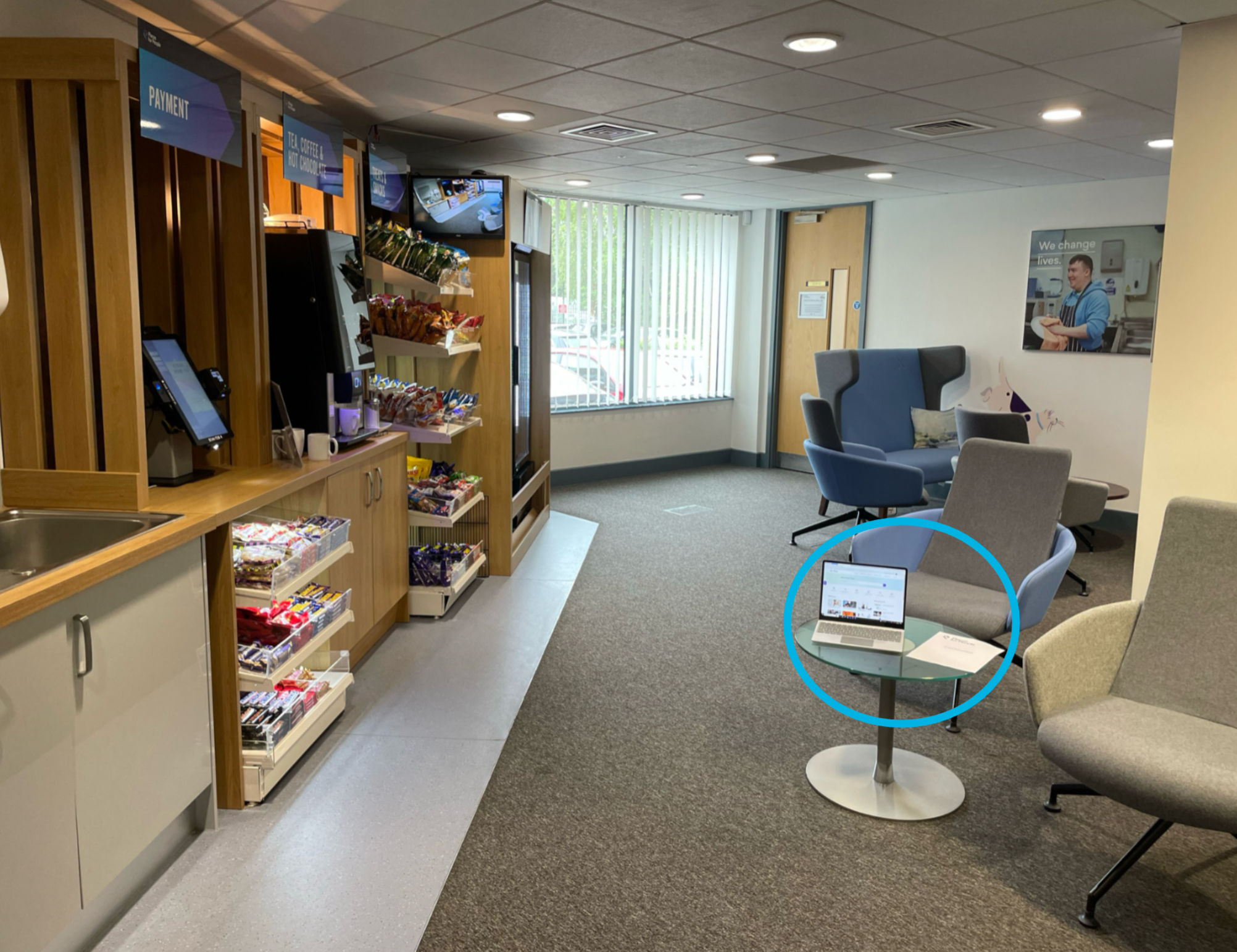
- Internal photography used throughout for realism and brand relevance
- The course finale: a real, recorded interview with an internal colleague who was a phishing victim — their account, in their words, as the last thing learners watch before certification
Cookie Consent Required
This media is hosted by YouTube. To play this video, please unblock **Marketing & Video** cookies.
INSIDE THE COURSE
Learner Experience
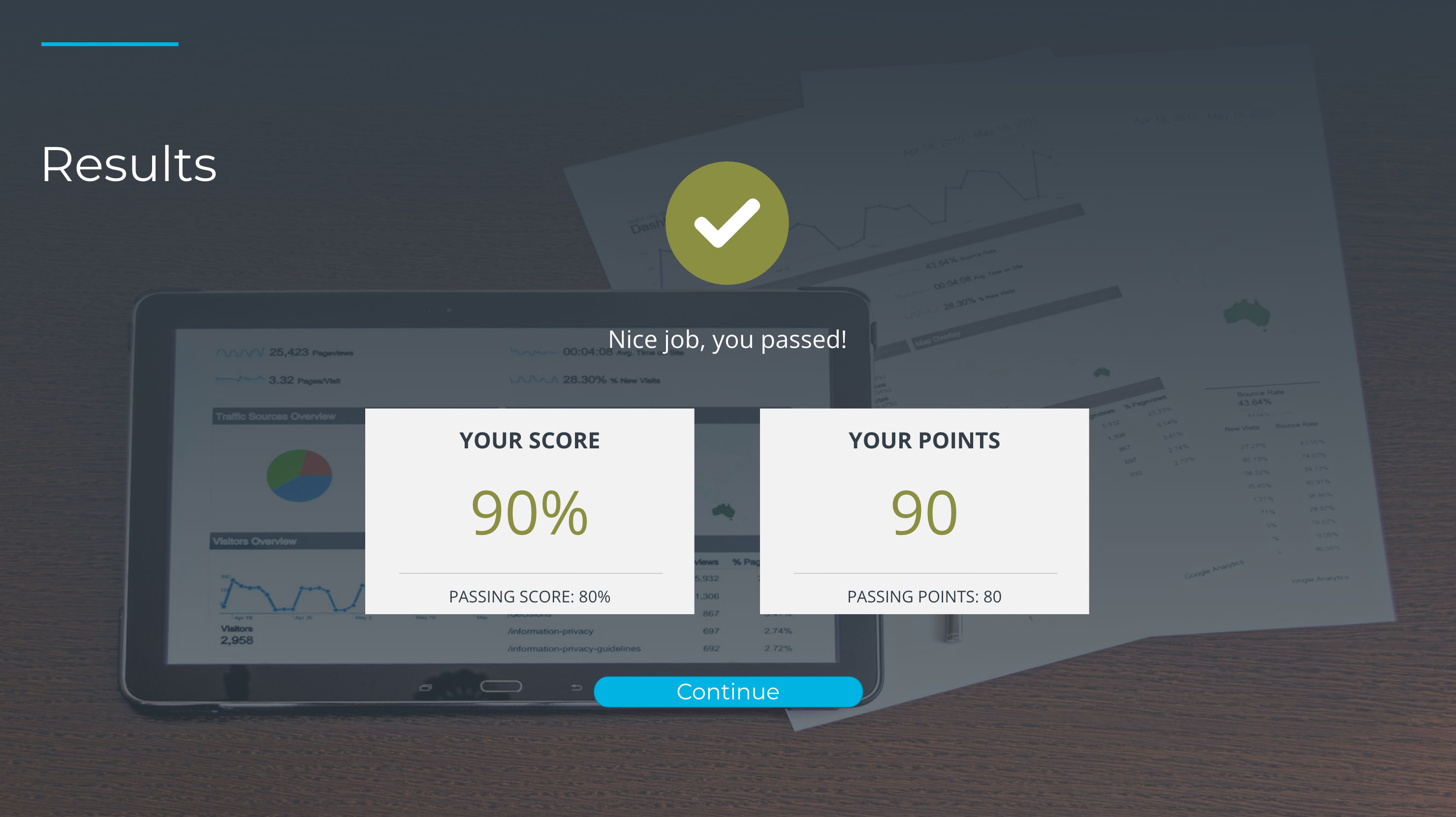
Gamified Journey
A gamified learning pathway where progress, points, and a leaderboard make the stakes feel real from the first screen.
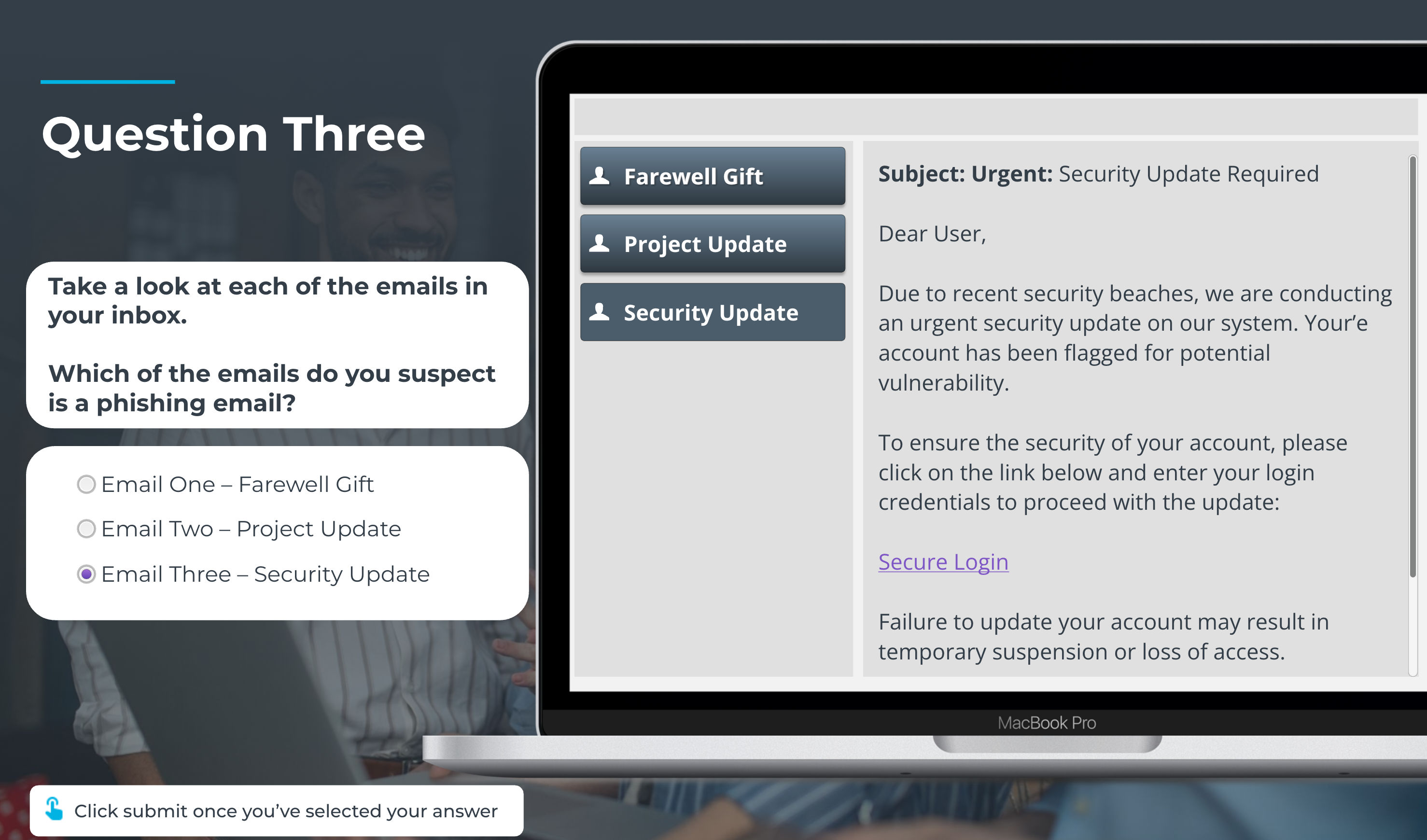
Phishing Simulation
Learners receive an actual phishing email and have to identify, assess, and respond to it correctly. Rather than a simulated screenshot, the real thing is embedded in the interface.
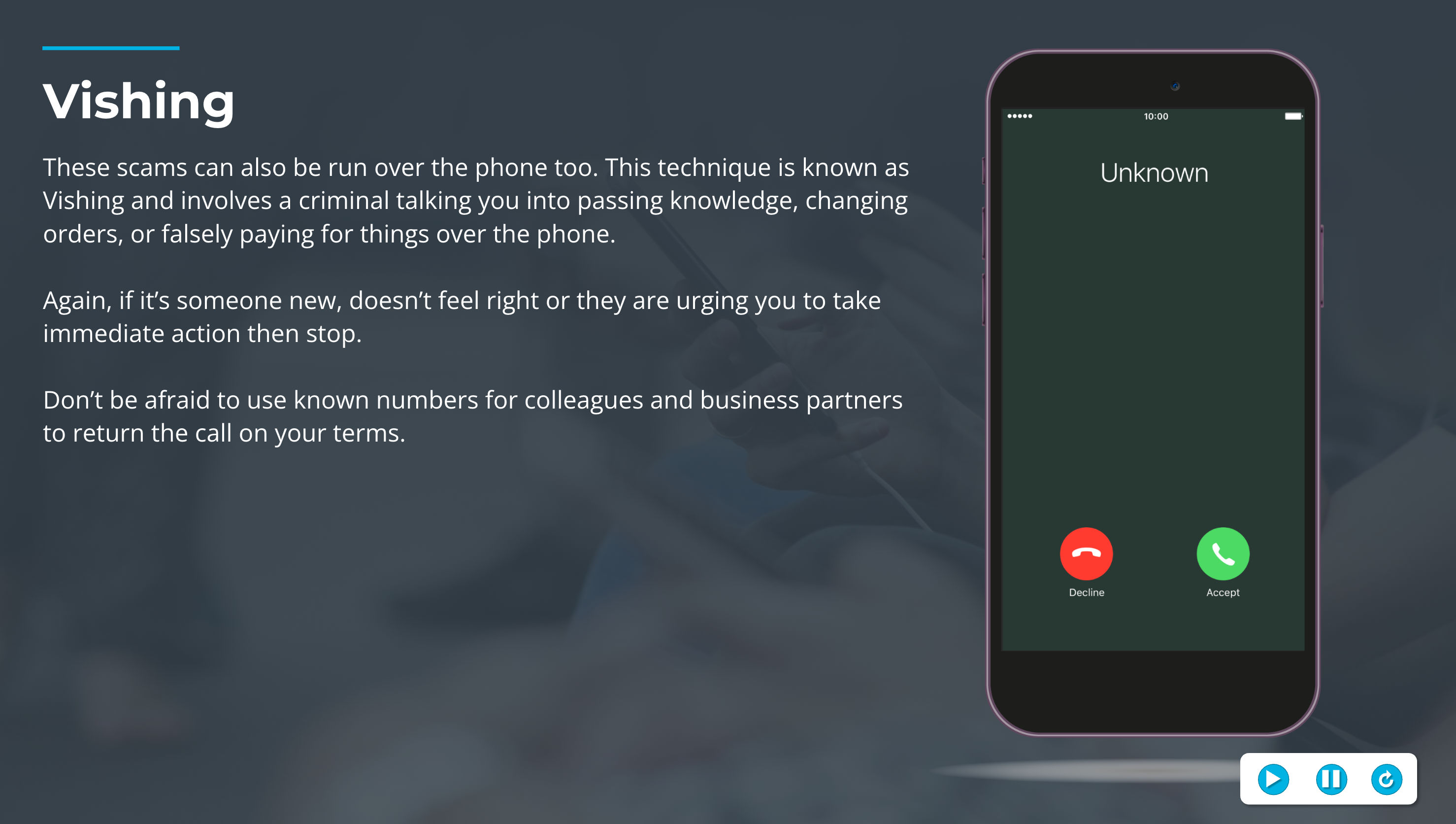
Vishing Call
A vishing call scenario plays out in real time, allowing learners to listen and decide whether they are being manipulated.
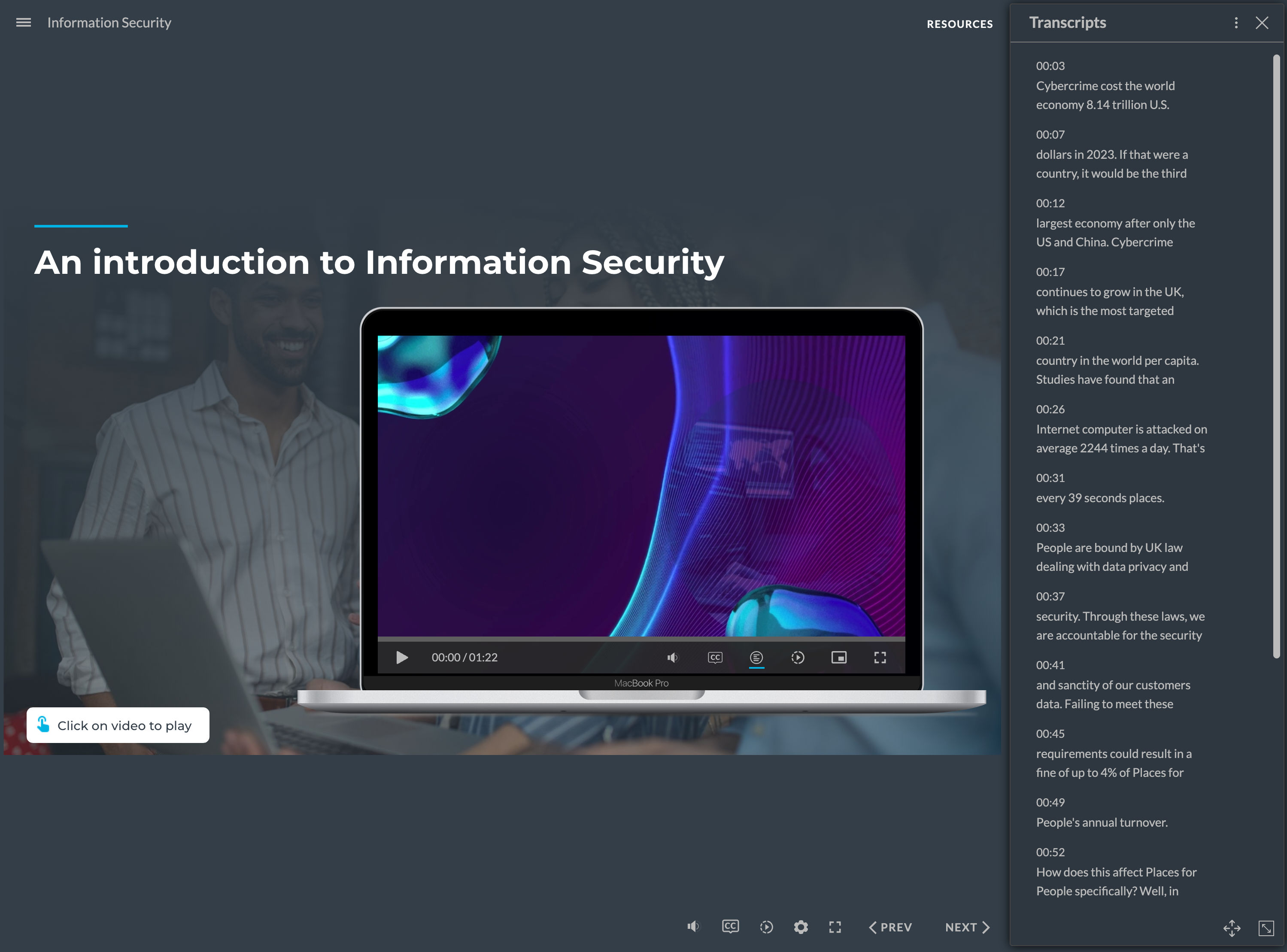
Multimodal Design
Every audio element is transcribed throughout, ensuring the course is fully multimodal by design rather than as an accessibility add-on.
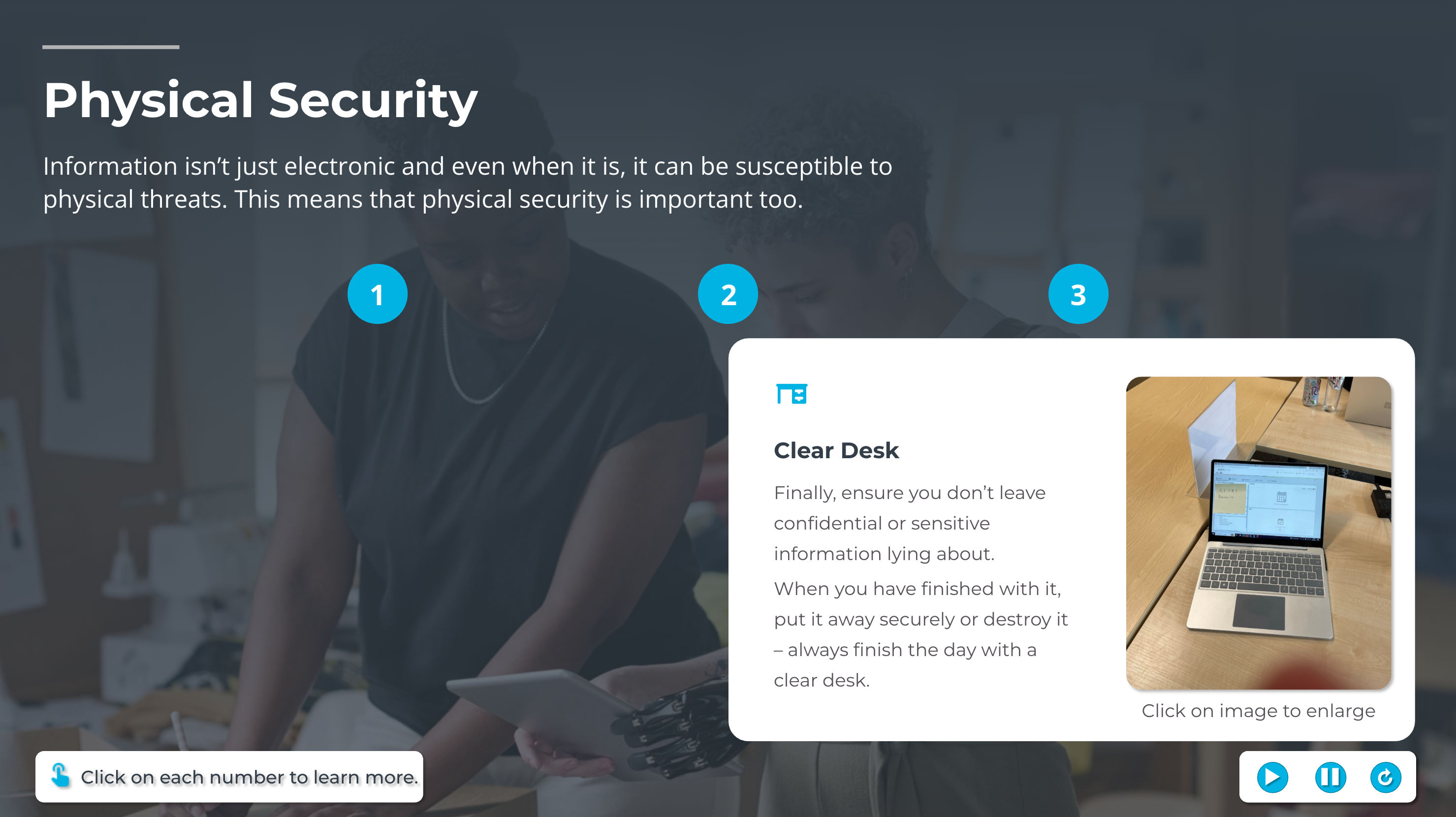
Microlearning Chunks
Modules capped at under 15 minutes with microlearning chunks keeping the pace up across the full pathway.
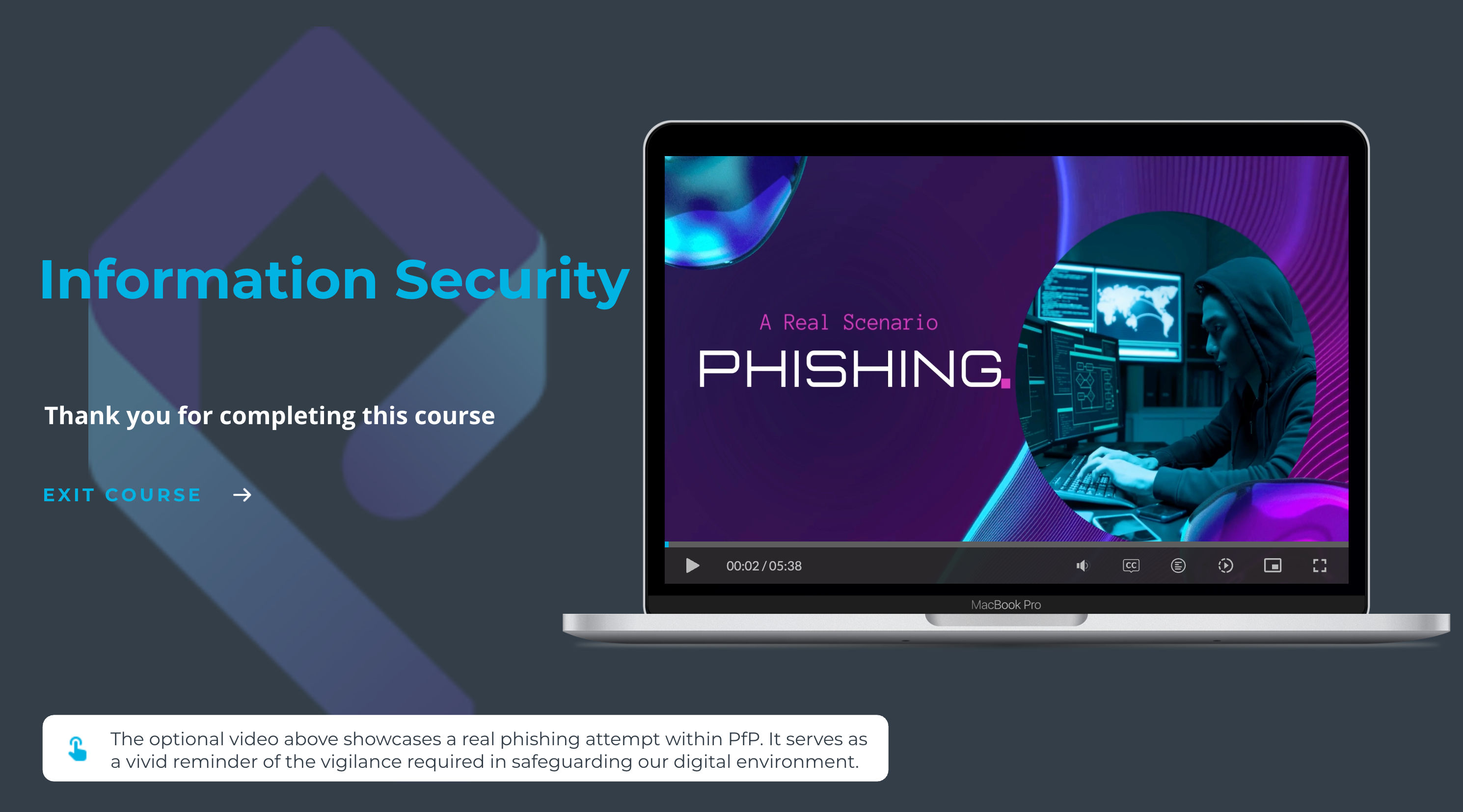
Human Stakes
The course ends with a real internal interview with a colleague sharing what it was like to be a phishing victim, making the stakes human before the passport is awarded.
HOW IT WAS DELIVERED
Published as a SCORM package and deployed to the Places for People LMS. Extensive UAT testing confirmed all branching, gamification logic, and tracking worked correctly before a single learner saw it. Accessibility standards were embedded from the first design decision rather than reviewed at sign-off.
Responsive Output
Impact
Behaviour-focused design built to change what people do, not just what they know.